
Why do I have three bids that are wildly different?
This is a common frustration even on a smaller project like a bathroom or kitchen remodel, but when you're rebuilding an entire home, the spread between bids can feel especially wild.
After reviewing thousands of construction bids I can tell you that most contractor bids aren’t apples to apples. Here are some of the biggest things I look at when comparing them.
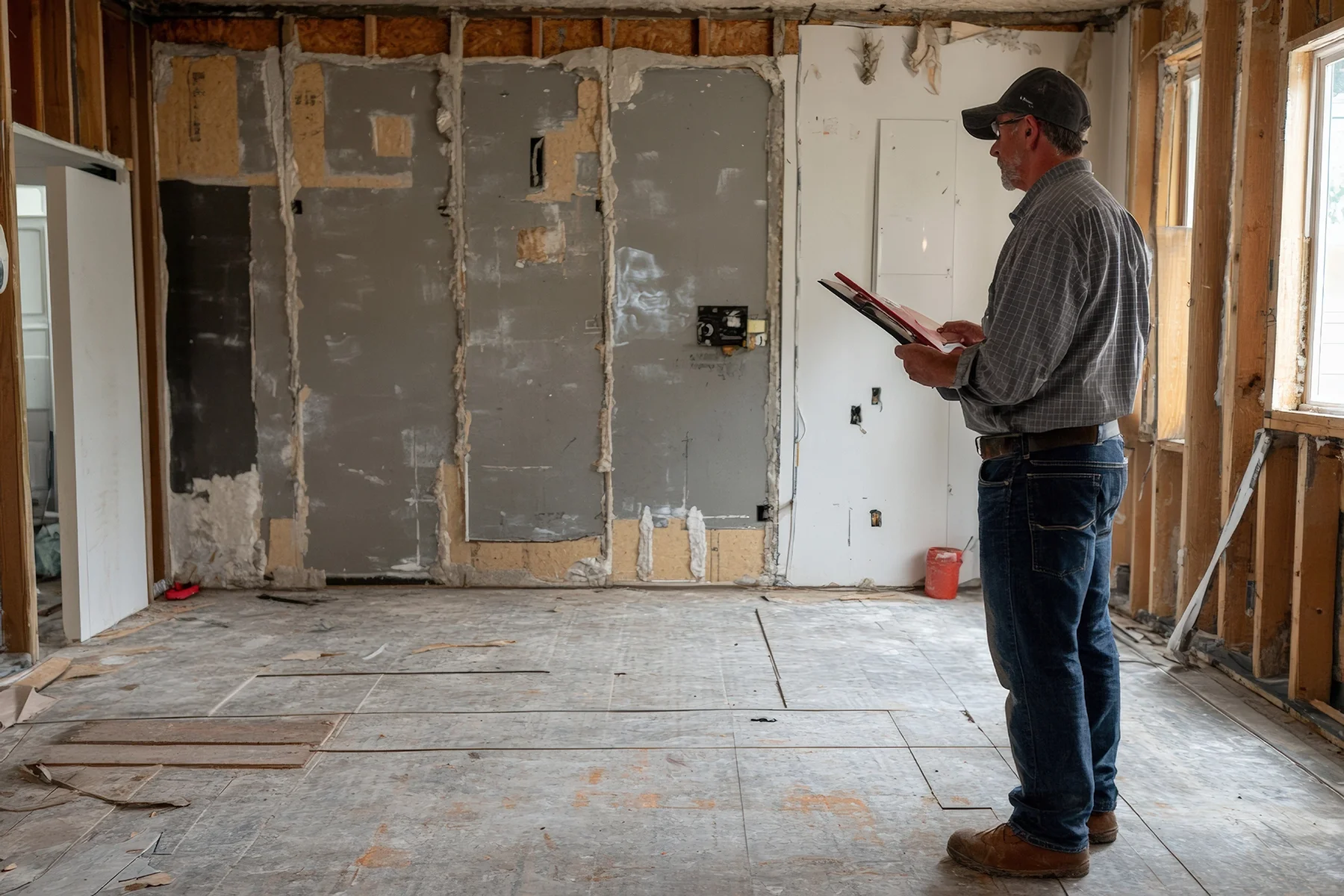
If your rebuild bids are wildly different, it doesn't necessarily mean one contractor is overpriced. They may be pricing different scopes, finish allowances, levels of service, contingencies, or subcontractor costs.
Before comparing bottom-line numbers, make sure you're actually comparing the same project. Look at what's included, what's excluded, what allowances are realistic for the finishes you want, and what level of support you're getting throughout the build.
The goal isn't necessarily to find the lowest bid. It's to understand why the bids are different so you can make an informed decision and avoid expensive surprises later.
Contractors Provide Different Levels of Service
Not every contractor operates the same way. Some are extremely hands-on and have a large support staff (architects, designers, engineers, labor, project managers) and help guide design decisions, coordinate procurement, communicate frequently, and provide a higher level of project management throughout the build.
Others are there to build and expect you to arrive with plans ready to go.
Both can be great, they just come at different prices.
If you want someone to take the reins, the cheapest contractor may not provide the level of support you're expecting. If you're comfortable managing more of the process yourself, you may not need to pay for a white-glove level of service.
The key is knowing and choosing what fits you.
Contractor Pipeline
Pricing can also depend on what a contractor's current pipeline looks like and how attractive your particular job is to them.
Your build might be a "nice to have," or it might be a "nice to have…. at a certain price point."
The Scopes of Work are Different
Scope can vary widely between bids, and is often the biggest driver of price differences.
Two contractors can bid the same exact project, but one might include appliances, site work or utility work, and the other doesn’t.
I recently reviewed a project where one bid included an allowance for a 50’ long driveway and in the other it was excluded. The difference was $35k.
Make sure the bids you're comparing are actually for the same scope, and look for gaps that could surprise you later.
Finishing Allowances Aren't Apples to Apples
Oftentimes contractors include different finishing allowances. These are placeholders for items you haven’t selected yet (doors, tile, flooring, fixtures, cabinets, etc.)
The problem is that contractors don't always define or price these allowances the same way. One contractor might assume a fairly basic level of finishes while another budgets for higher-end selections. One might include appliances in their finish allowance while another excludes them.
That can make one contractor appear significantly less expensive upfront when, in reality, you may be paying for those items later.
You could finish a 1,400 sq ft home for $50k, you could also spend $200k. Where this lands should be 100% up to you.
You don't need to have every product picked out before getting a bid, but talk through the general level of finishes you're expecting: engineered hardwood vs. LVP, white oak cabinets vs. stock cabinetry, fiberglass vs. aluminum-clad windows. That gives the contractor enough direction to build a more realistic allowance into the bid.
Different Contingencies
A contingency is basically a buffer for unknowns that could come up during construction.
These could vary from bid to bid because contractors don’t assess risk the same way.
Their experience with a particular type of project, interpretation of the plans, confidence in subcontractor pricing and assessment of site conditions can all influence that number.
Note that for a ground-up build, there are fewer unknowns than there are in a major renovation where you're opening walls and discovering what's behind them. Change orders on new construction should be minimal or non-existent.
Subcontractor Relationships
A contractor is building your home using framers, electricians, plumbers, HVAC contractors, roofers, tile installers, painters and many other trades. The relationships they have with those tradesmen have an impact pricing.
Contractors who work with the same subcontractors may benefit from crews that know how they operate, work more efficiently together and offer more predictable pricing.
A contractor who consistently gives a subcontractor work may also receive different pricing than someone requesting a one-off bid.
Line items can also vary based on each contractor's relationships. One builder might have a cousin who's an electrician or a brother who owns a plumbing company, making a specific trade line item unusually low. That efficiency or relationship isn't transferable, you can't "sub" one contractor's low line item into another's proposal.
What matters is the bottom line, assuming the scope of work is identical across bids.’
Project-Specific Factors
Location and travel time can affect price, as can the type of project and the contractor's experience with that particular type of build.
If a contractor already has projects underway in your area, they may gain efficiencies by having crews, subcontractors, equipment, and project managers nearby. Less travel and the ability to coordinate multiple jobs in the same area can sometimes translate into a lower price.
Experience with your specific type of project matters too. If a contractor hasn't handled a build like yours before, they may pad their bid to protect themselves from the unknown. A contractor who has completed several similar projects may have a better understanding of the costs involved and feel more comfortable pricing the work with less cushion.
Bad Actors
Unfortunately, there are also contractors who will intentionally lowball a bid with the expectation that they'll make up the difference later through change orders.
To protect yourself:
Check licenses on the Contractors State Licensing Board
Check what other companies your contractor has worked for or owned
Understand their process and how they handle or expect change orders
Speak with references from similar projects
If you're building ground-up and the only references available are for remodels, this may be a new type of project for them and there could be some speed bumps.
There are great contractors out there, honest builders that do good work. Do your due diligence, and make sure you are confident and comfortable moving forward.
Comparing bids right now
Send me your bids and I'll tell you
where the gaps are
If you have questions or need assistance, reach out any time.
